Gyeongju is a charming city where Korean history and culture coexist, offering beautiful experiences and memories to visitors. The tranquil temples, magnificent historical sites, and museums preserving traditions in this city tell stories spanning from Korea's past to the present. In this article, we introduce three of the most famous attractions in Gyeongju, shedding light on their features and histories to assist you in planning your trip. This introduction aims to highlight important points in the article and engage readers' interest to help them decide on their journey. Take a brief look at the allure of the main attractions and imagine the unique experiences you can enjoy in Gyeongju. If you have the opportunity to visit these attractions, you will be able to immerse yourself in the beautiful history and stunning cultural heritage of Korea.
#1. Bulguksa Temple
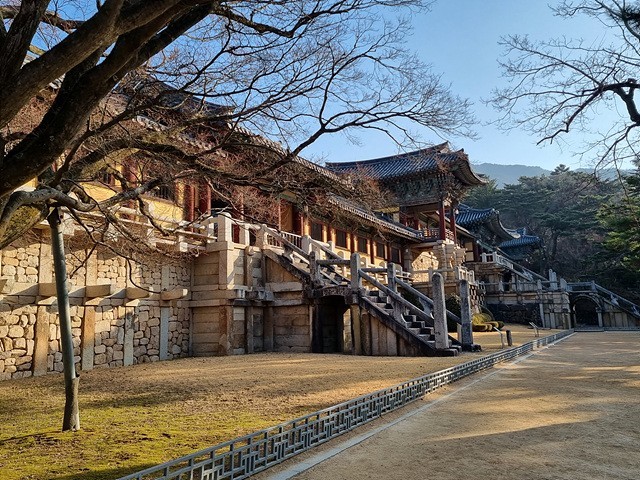
Bulguksa Temple is one of the most representative Buddhist heritages in Gyeongju, South Korea, gracefully conveying the history and culture of the Silla Dynasty. Established in 751, this temple is known as the center of modern Korean history and Buddhist art, offering visitors an impressive experience. Bulguksa consists of major buildings such as the Main Buddha Hall, Geumdang Hall, and the Lecture Hall, where you can appreciate the beauty of Silla architecture and glimpse the spirituality of the monks. One of the most famous attractions of Bulguksa Temple is the Seokgatap. This unique stone pagoda showcases the sophisticated craftsmanship and artistic refinement of the Silla era, being designated as Korean National Treasure No. 11. Due to its intricate carvings and beautiful gray stones, Seokgatap attracts considerable international attention.

Furthermore, Bulguksa features a three-dimensional area with many small shrines known as the Indogye and offers visitors the experience of various types of Buddhist art and religious complexity. Beyond this, the temple is also renowned as the pilgrimage site to many eminent monks. Bulguksa Temple is a must-visit site for anyone planning a trip to Gyeongju. Here, you can delve into the profound history and art of Buddhism, and become captivated by the beauty of Korean culture and traditions. The serene atmosphere of Bulguksa Temple provides solace for weary souls and remains a space for beautiful contemplation.
#2. Donggung Palace and Wolji Pond
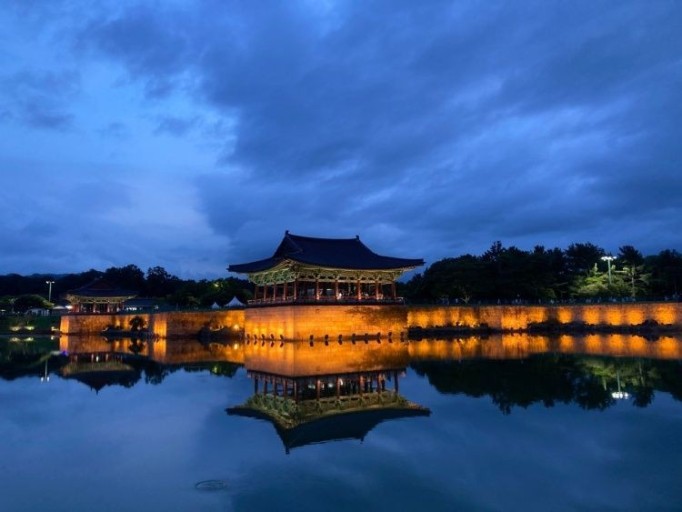
Gyeongju's Donggung Palace and Wolji Pond is a beautiful attraction located in the heart of Gyeongju's historical site, famous for its records of the Silla royal power and enchanting moonlit scenery. Donggung was the palace and royal tomb area during the Silla era, while Wolji is a nearby artificial pond, meaning 'lower pond.' One of the striking sights for visitors to Donggung and Wolji is the nightscape of Wolji. When the beautiful moonlight and illumination are reflected in the pond, the rippling water creates a unique atmosphere. This place offers a relaxing space for visitors and is considered a landmark in the city. Various royal tombs are distributed around the area as mounds, allowing visitors to glimpse the power and authority of the Silla royal family. Recently, archaeological excavations have uncovered the secrets of this area, revealing historically valuable findings such as water drainage systems using fountains. The traditional park of Donggung Palace and Wolji Pond is a perfect place for families and friends to take a relaxing walk. Also, various cultural events and festivals are held throughout the year, providing visitors with rich experiences. Gyeongju's Donggung Palace and Wolji Pond offer a space where you can simultaneously appreciate the beauty of the moonlit pond surface and the diverse historical relics. Here, you can unwind after a long journey and enjoy the cool breeze and moonlight on a midsummer night. Be sure to include this beautiful site in your Gyeongju trip plans.
#3. Cheomseongdae

Cheomseongdae is an essential historical site of ancient astronomy and architectural art located in Gyeongju during the Silla era. The exact construction year of Cheomseongdae, mentioned as Tiansheng Taiwan (天成臺) in Samguk Yusa compiled during the Goryeo period, remains unknown. However, it is recorded that King Heondeok's father-in-law, Lee Hyo (李驊), built Cheomseongdae in Suseong (水城) in 632 AD during King Heondeok's rule. Cheomseongdae is a rectangular stone tower built with marble and black granite, typical of traditional Silla architecture. Traces of astronomical instruments and observatories were discovered nearby, indicating its use as a research and observation point for astronomy. Cheomseongdae is a precious heritage that reveals the foundation of astronomical study during the Silla period. It reminds us that ancient researchers sought to foster a proper understanding of history and the world based on astronomical knowledge with patience and perseverance. Cheomseongdae is also highly recognized for the importance of ancient Korean history and astronomical architecture. If you are planning a trip to Gyeongju, be sure to visit Cheomseongdae. It provides a space where generations can enjoy the development of astronomical knowledge and historical records, harboring a beautiful cultural heritage where history and science come together. Here, you can feel the essence of Silla's astronomical history and architectural art and have a moving experience.
'CITY in KOREA' 카테고리의 다른 글
| Andong Hahoe village (0) | 2023.06.25 |
|---|---|
| Jeonju, Discover the Historical Treasures of Korea (0) | 2023.06.25 |
| Busan, Second City of Korea (1) | 2023.06.25 |
| Jeju, Korea's Island Gem (0) | 2023.06.24 |
| Gangneung, CITY of SUNRISE (0) | 2023.06.23 |